B2B technology scan
Technology Insights
Spotting and monitoring emerging promising or competitive technologies. The study turns a wide scan into a decision your leadership can make with its eyes open.
Chapter 01
A competing technology that arrives unseen
Technology shifts seldom announce themselves in a way an incumbent notices. A new material starts replacing an old one in a handful of applications. A processor family gains a following with a few key customers. A process change at a competitor's plant quietly alters their cost position. By the time the effect is visible in your own numbers, the people who saw it early have already set their terms. The work of technology insights is to move that moment of recognition earlier, while you still have several options on the table.
The difficulty is that the most useful signals are rarely published. Trade press and analyst reports describe what is already established. What a technology is about to become is held in the heads of the engineers, buyers and senior executives who are deciding whether to adopt it. Power Decisions goes to those people directly, because that is where the intelligence lives and where a written source cannot reach.
Every study begins with listening to your own leadership. Thomas Brown asks what you already believe about the threat or opportunity, which technologies your team is watching, and what decision is waiting on the answer. That framing shapes the scan so it looks where your company has the most to gain or lose.
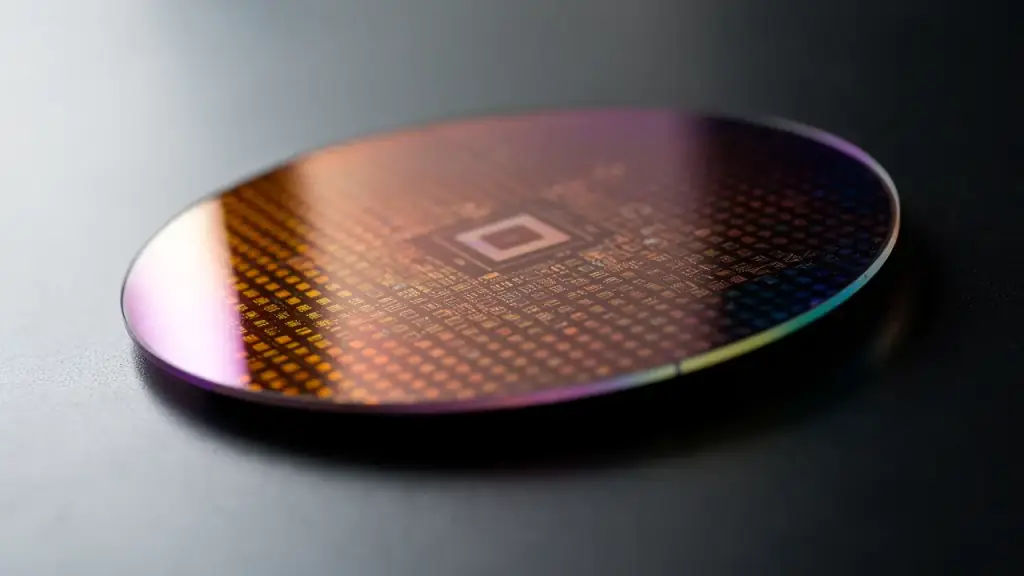
A silicon wafer catching a violet and copper sheen across its die grid
Scanning and monitoring, from executive interviews to competitive intelligence
Two published projects show the approach. For Texas Instruments, Silicon Valley Division, Power Decisions ran appointment-phone interviews with senior executives at target customers worldwide, delivered as a best-of-class profile to guide entry into the DSP processor market. For Boise Cascade, a nationwide market strategy study looked at adoption rates and prospects for a new building materials product, guiding entry into OSB and waferboard. In both, the question was not whether a technology was interesting. It was whether, and how fast, the people who would buy it were actually going to adopt it.
The toolkit is matched to that question. One-to-one Kinetic Depth Interviews are the usual core: peer-level conversations driven by an interview plan rather than a questionnaire, which leave room for a senior engineer or buyer to describe what they are testing, what worries them and what they would need to see before switching. Competitive intelligence adds tailored primary and secondary information gathering and analysis, so the interview findings are checked against what competitors are doing. When the audience is hard to reach, an actively moderated online forum run over several days can bring executives and managers into the same discussion at their own pace.
Technology does not stand still, so a single scan has a shelf life. Where it makes sense, the study is repeated at an interval that suits your market, and the earlier findings become the baseline that makes the next round of change easy to see.
Chapter 03
Converting a scan into a go or no-go
A scan that produces a long list of interesting technologies has not yet helped anyone decide. Power Decisions uses a decision pathway that narrows as it goes: scanning to find opportunities and threats, building the most promising into real options, refining them as new intelligence comes in, and then testing them against the selection criteria your leadership sets. A technology question usually enters that pathway as a thin decision, invest in it or ignore it. The aim is to widen it into a robust decision with two or more real options, A or B or C, such as partnering, licensing, fast-following or staying the course with a defensive plan.
The result is delivered as a tightly constructed executive brief, not a data dump. Themes, quotes and customer narratives are translated into strategic implications and clear recommendations for product development, positioning or market entry, along with what to keep watching. If a finding points to a new offering, the work can continue into New Product Concepts; if it changes how you should present yourself, into B2B Positioning.
If an unfamiliar technology is showing up in your market, call Thomas Brown at 415-328-7927 or email Tom@powerdecisions.com. Typically he can offer some immediate, valuable ideas on that first call, and an engagement plan follows once you have approved its scope.
Power Decisions, Forest Knolls, California. Call Thomas Brown at 415-328-7927.