Develop first, screen later: how to test a new concept without killing it
Most concept tests rank ideas that were never properly developed. Staging the work fixes that.
October 12, 2026 · 4 min read
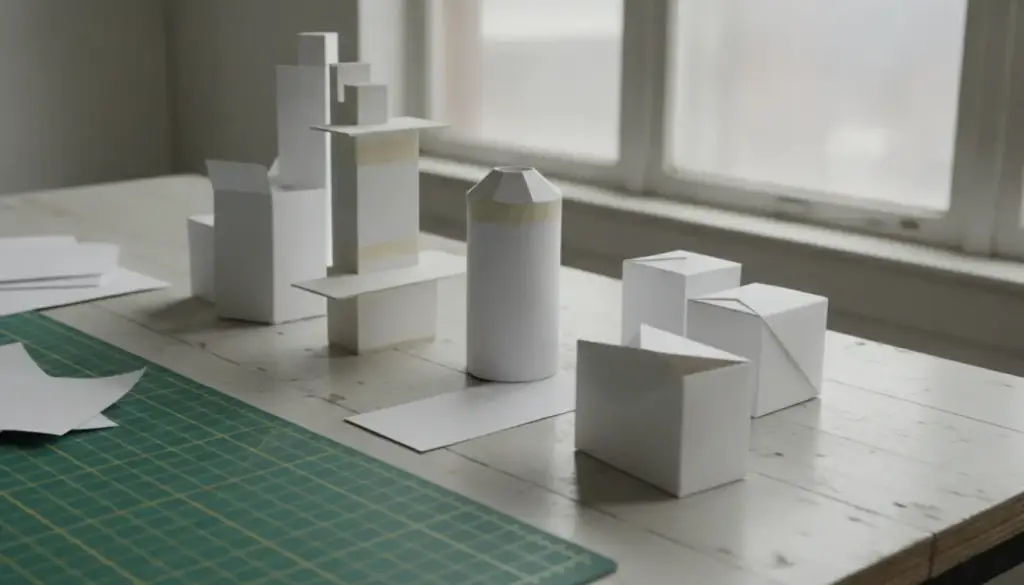
A familiar scene: a team has three product ideas, a survey vendor, and a deadline. The ideas are written up in a paragraph each, shown to a few hundred people, and ranked. One wins. The team feels it has evidence. What it actually has is a ranking of three rough sketches, and a rough sketch that loses may simply have been described badly.
Concept testing covers a lot of ground: advertising concepts and themes, new product ideas, pricing, brand concepts, brand names and positioning strategies. In every case the same trap applies. If you measure before you have developed, you are measuring the quality of the first draft.
Testing is also a creative act
Power Decisions starts from a plain principle: concept testing is both a measurement activity and a creative concept development activity. What buyers say about an early idea is raw material for a better one. They misread a claim, so you reword it. They latch onto a detail you thought was minor, so you build around it. A design that treats the test as a pass or fail event throws away all of that.
That is why the first stage looks like development rather than screening. You are not trying to eliminate anything yet. You are trying to make every idea as clear and appealing as it can be, so that when the screening comes, the ideas are judged on merit and not on how well the first paragraph was written.
Start with conversations
Concept development calls for an exploratory mindset, so it begins with exploratory methods: depth interviews among people in the target audience. One-to-one conversations let you watch an idea land, hear the question it raises, and ask what they would need to see to believe it.
Good concept statements carry two kinds of content. There are tangible attribute clusters: what the product does, how it is delivered, what it is made of. And there are emotional appeals: what it means to the buyer, what risk it removes, how it makes them look to their own boss. B2B buyers do respond to emotion. It just arrives dressed as caution, confidence or professional reputation. Interviews are where you learn which of those matter and in what words.
Then widen, without losing the thread
The next step is a larger sample in time-extended depth interviews, often run online. The advantage is repeated contact. A participant sees a concept, goes away, thinks about it, and comes back to react. Ideas get time to incubate, and a first reaction that was lukewarm sometimes turns into the most interesting comment of the study.
From there, a hybrid design blends the qualitative conversation with quantitative concept ranking. The ranking gives you a read on relative appeal. The conversation tells you why a concept ranked where it did, and what to change before the next round.
Smaller waves beat one big one
The usual instinct is to save the budget for one large wave of screening at the end. Power Decisions favors the opposite: several smaller sample waves. The reasoning is simple once you accept that testing feeds development.
- Each wave teaches you something, and the next wave can use it.
- Weak concepts get dropped or reworked early, so money isn't spent measuring ideas you already know to be flawed.
- A late surprise is smaller. If a concept wobbles in wave two, you fix it in wave three instead of discovering it in the final report.
- The surviving concepts have been refined several times, not once.
Finish with realism
A concept has to be judged in conditions that resemble the real world. A buyer reacts differently to a description than to something that looks like the actual ad, the actual package or the actual positioning statement. For that final read, online market surveys have a real advantage, because they can show a variety of exhibits: advertising concepts, product concepts, brand concepts and strategic positioning concepts, in a form close to what the market will see.
A short checklist before you commit budget
- Have the concepts been developed with buyers, or only written by the team?
- Do the concept statements cover both what the thing is and why it matters?
- Is there room in the plan to rework a concept between waves?
- Does the final test show the concept the way the market will actually meet it?
If any answer is no, you are probably about to rank first drafts. The fix is mostly a matter of sequence, not size: develop, refine, then screen.
Power Decisions designs staged concept studies for new products, brands, pricing and positioning. If you have concepts on the table and want to talk through how to test them, call Thomas Brown at 415-328-7927.
Power Decisions, 415-328-7927
Call 415-328-7927More articles
Creating and Moderating Effective B2B Online Focus Groups
Online groups can put busy executives in one conversation, but only if the recruit, the segmentation and the moderation are right.
Thin decisions and robust decisions: why your next launch needs real options
Most expensive mistakes are set up long before the vote, when only one option was ever on the table.